
BARF: Scientifically Proven Facts About Raw Food for Dogs
Share
Dog nutrition is a key topic for many dog owners. A feeding method that has been gaining popularity in recent years is the BARF diet. But what does science say about it? In this article, we will analyze the pros and cons of the BARF diet based on scientific research.
What is BARF?
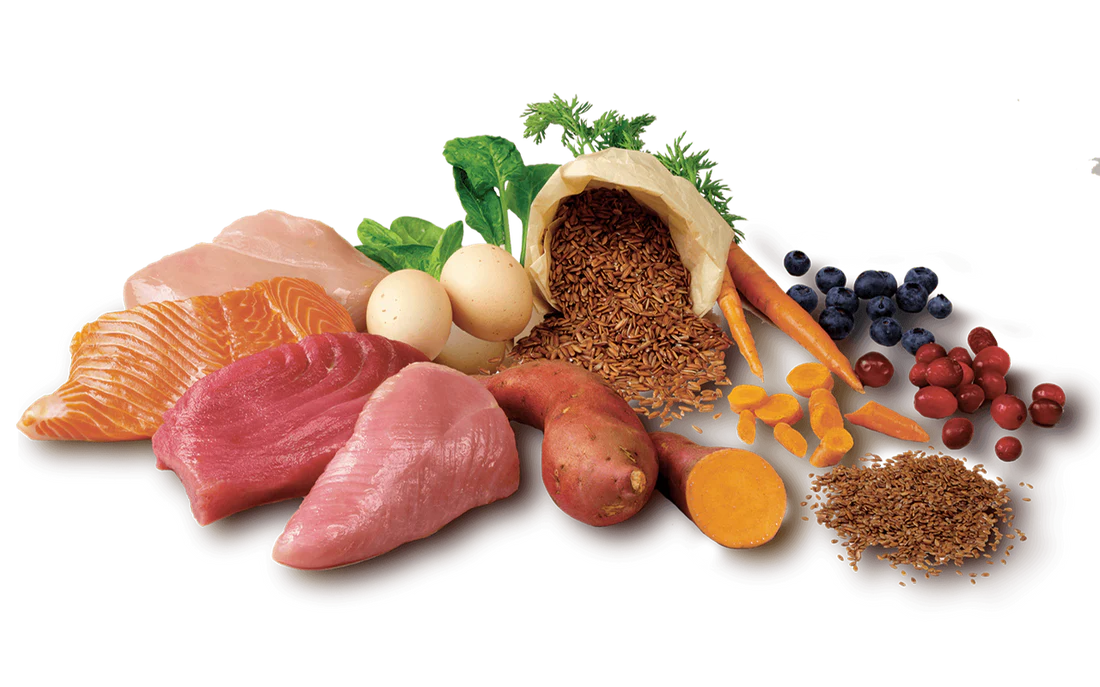
BARF stands for "Biologically Appropriate Raw Food" and aims to replicate the natural diet of wolves. The ration consists mainly of raw meat, bones, offal, and fruits and vegetables. This combination of ingredients aims to provide the dog with all the necessary nutrients and adapt the diet to its natural needs.
The Scientific Benefits of the BARF Diet
- Tartar Reduction : Studies have shown that feeding raw meat and bones can significantly reduce tartar build-up in dogs.
- Improved gut microflora : Studies show that switching to a BARF diet within 30 days can lead to significant diversity of gut microflora, especially in older dogs.
- Healthier skin and coat : A BARF diet rich in Omega-3 fatty acids, such as those from fish or linseed oil, supports healthy skin and improves the condition of the coat.
- Less prone to food allergies and intolerances : Many dogs tolerate a raw diet better than processed foods, which often contain artificial additives and preservatives.
- More energy and better muscle development : High levels of high-quality protein support the building of muscle mass and can increase energy levels, especially in active dogs.
Scientific Drawbacks and Risks of the BARF Diet
- Nutrient imbalances : Studies have shown that home-cooked BARF meals often do not fully meet the dog's nutrient needs, which can lead to deficiencies or excesses of certain substances.
- Microbiological risk : Raw meat may contain pathogenic bacteria such as Salmonella, which can pose a risk to both the dog and its owner.
- Parasite Infection : Raw meat can carry parasites. Regular deworming and freezing meat at -20°C for at least 48 hours can help minimize this risk.
Basic ingredients of the BARF diet and recommended proportions
-
Meat and offal (70-80%)
- Muscle meat (50-60%) → The main component of the diet, provides protein and nutrients.
- Offal (15-25%) → Liver, heart, kidneys – key sources of vitamins and minerals.
- Stomach (10-20%) → Supports intestinal flora and provides digestive enzymes.
-
Bones and cartilage (10-15%)
- A source of calcium to support bone building and dental health.
- Examples: poultry necks, veal brisket, lamb ribs.
-
Vegetables and fruits (10-15%)
- Vegetables (approx. 10% of diet) provide fiber, vitamins and minerals.
- Fruits (approx. 5%) are a natural source of vitamins (e.g. apples, berries, bananas).
- Note: Avoid onions, grapes and avocados – they are toxic to dogs.
- Oil and fats (2-3%)
-
- Provides essential fatty acids to support skin, coat and cellular function.
- Recommended oils: fish oil (Omega-3 acids), linseed oil, hemp oil.
Thanks to this proportion, the BARF diet is balanced and adapted to the natural needs of dogs. It can be modified depending on the age, activity and individual needs of the animal.
In summary, the BARF diet has both benefits and potential risks. It is crucial to gain the right knowledge and possibly consult with an animal nutritionist to provide your dog with a healthy and properly balanced diet.
Alternative: Karma Wolfsblut
For dog owners who want to provide their pet with natural nutrition but are concerned about the risks associated with a raw diet, Wolfsblut is a good alternative . This high-quality dry food is characterized by a high meat content and no grains. For example, the "Wild Duck" variant contains 44% duck (including 25% fresh meat), as well as potatoes and sweet potatoes. It is also enriched with superfoods such as Jerusalem artichoke and ginseng, which provide valuable nutrients.